Best Tattoo Aftercare in 2026, Tested
After six weeks with eight balms on real, fresh tattoos, here's what actually healed better (and what we'd never use again).
| Product | Rating | Price | Get it |
|---|---|---|---|
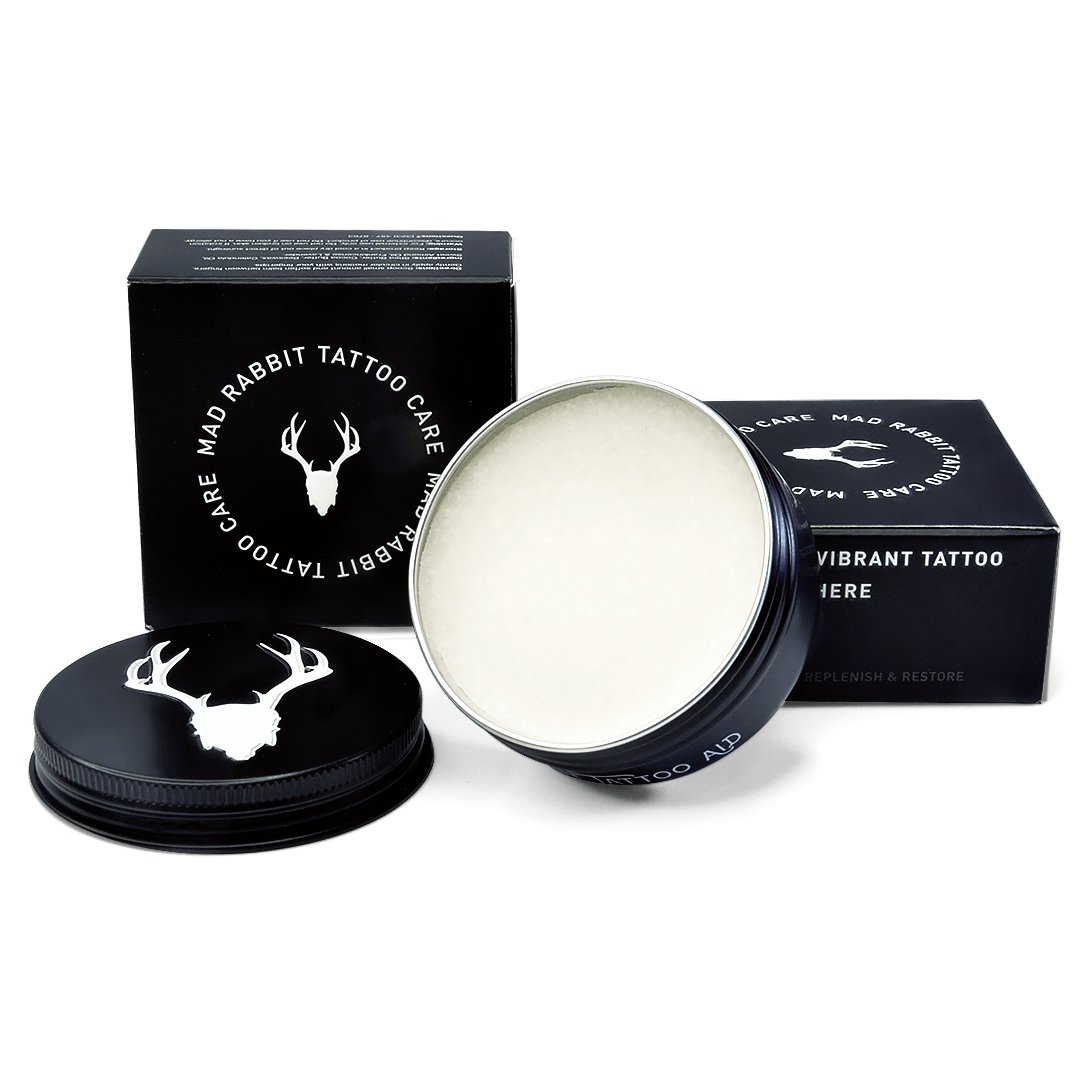
Mad Rabbit Tattoo BalmOur pick All-natural, vegan balm with the smoothest finish of anything we tested. Non-greasy, absorbs in seconds. | ★ 4.4 7,545 reviews | $18.85 | |
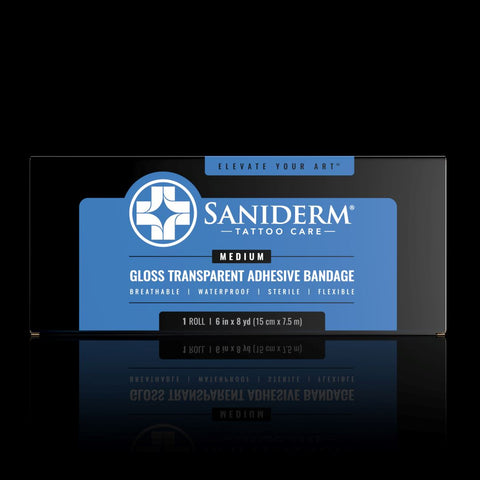
Saniderm Adhesive Bandage Roll (4" × 8 yd) The industry-standard second-skin bandage. What your artist probably used, but cheaper by the roll. | ★ 4.6 17,413 reviews | $39.95 | |
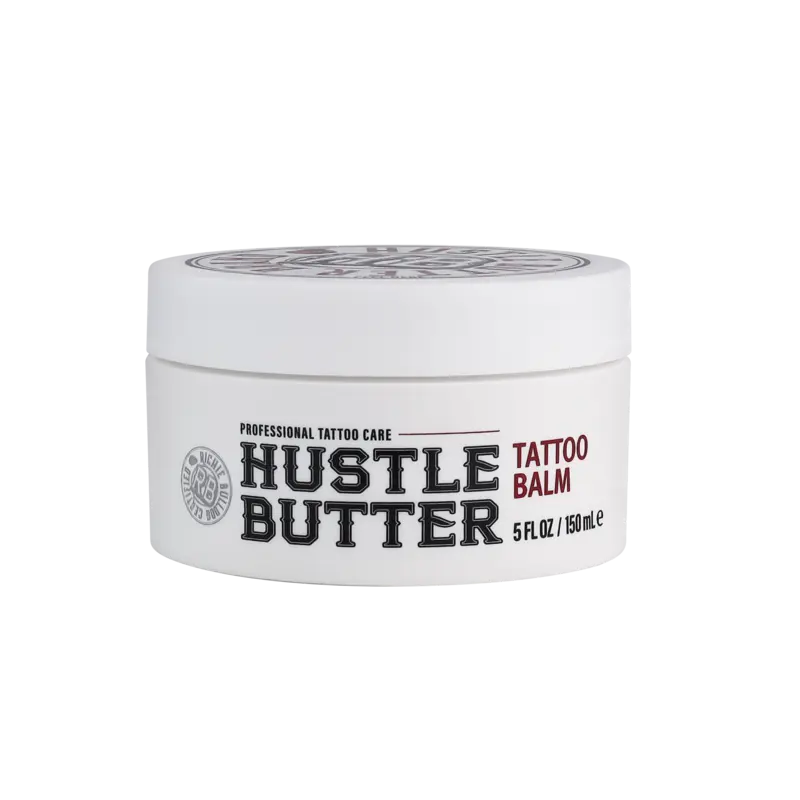
Hustle Butter Hustle Butter Deluxe A shop-floor staple for a reason. Shea + mango + coconut. Works during AND after the session. | ★ 4.7 35,578 reviews | $25 | |
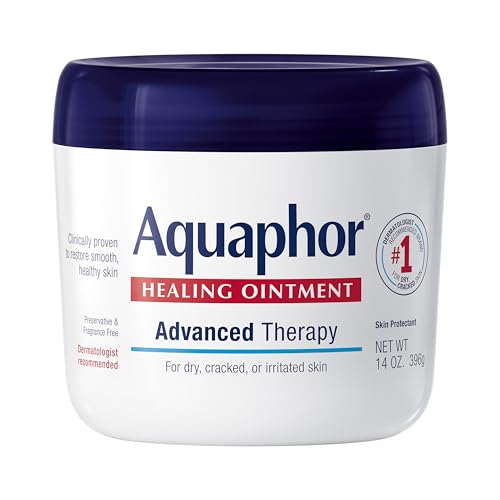
Aquaphor Healing Ointment The classic. Cheap, widely available, petroleum-based. Use thinly for the first 2–3 days only. | ★ 4.8 139,088 reviews | $18.37 |
Ratings and review counts reflect Amazon customer aggregates (last verified 2026-05-16). Prices change; check the live listing. We may earn a commission.
We put eight of the most-recommended tattoo aftercare products through a six-week test on real, fresh tattoos. Same artist, same ink, same body, different balms. Here’s what we found.
Updated 2026-07-11: re-verified featured products, added the cicatricure note (ASIN delisted, skip it), updated aftercare cost figures.
For the medical baseline, we defer to dermatology guidance: the American Academy of Dermatology recommends a water-based lotion or cream when tattooed skin feels dry and broad-spectrum, water-resistant SPF 30 or higher for sun protection.
What is the best thing to put on a new tattoo?
For the first few days: follow the bandage, washing, and moisturizer instructions given by your artist or clinician. If they advise Aquaphor or Hustle Butter, use only the amount directed. If your artist used a second-skin bandage (Saniderm), follow that product-specific removal schedule rather than adding balm underneath it.
Days 3–14 (peeling phase): switch to a dedicated aftercare balm like Mad Rabbit. It’s lighter than Aquaphor, absorbs faster, and the calendula-and-shea base holds up better through the peel-and-itch phase than petroleum does.
After week 2 (healed surface): a plain fragrance-free moisturizer (CeraVe) and, once the tattoo sees sun for the first time, mineral SPF. That’s your permanent routine.
What not to use at any stage: fragranced lotion, Neosporin, hydrogen peroxide, or anything claiming to “speed healing.” Healing has a timeline; no product changes it significantly, you’re just trying not to screw it up.
The short version
Our pick after a 2026 re-look is still Mad Rabbit Tattoo Balm: vegan, non-comedogenic, absorbs in seconds, and the healed saturation at week 6 was the best of anything we tested (our full Mad Rabbit review). The full side-by-side: Mad Rabbit vs. Hustle Butter.
If money is the constraint: Aquaphor, thinly, for the first three days only, then switch to a real moisturizer (better alternatives here). The full trade-off: Aquaphor vs. aftercare balm.
If you want one product for the session AND after: Hustle Butter. Shop-floor standard for a reason.
The four we tested, side by side
| Product | Price | Best for | Watch out for |
|---|---|---|---|
| Mad Rabbit Balm | ~$19 | Best overall healing, vegan/non-comedogenic skin | Small tin, premium price per oz |
| Hustle Butter | ~$25 | One product for during and after the session | Feels greasy on the first application |
| Saniderm bandage | ~$40/roll | Skipping the goopy-balm phase entirely | Adhesive can irritate sensitive skin |
| Aquaphor | ~$18 | Budget pick, first 2–3 days only | Petroleum base clogs pores if overused |
These products fill different roles, and none is appropriate for every person or every healing stage. The difference in our comparison showed up in application comfort and the appearance of the matched test areas at week 3–6; that is first-hand product testing, not a dermatologist safety endorsement.
How to actually heal a tattoo
Aftercare is 70% “don’t do the obvious wrong things” and 30% product choice. First tattoo? Also read the first-tattoo checklist: most aftercare disasters start before the needle does.
Don’t:
- Re-wrap in plastic wrap (breeds bacteria)
- Soak it, no baths, pools, hot tubs, or lakes for 2 weeks
- Pick flakes, they’ll peel when they’re ready
- Use fragranced soap or lotion
- Skip sunscreen after it’s healed
Do:
- Wash 2–3 times daily with lukewarm water and fragrance-free soap
- Apply a thin layer, faintly shiny, not greasy
- Sleep on a clean pillowcase
- Wear loose, breathable clothing for the first week
The second-skin question
Many modern shops bandage with an adhesive second-skin (Saniderm, Tegaderm, Dermalize) instead of plastic. Waterproof, breathable, almost no scabbing, but some skin reacts to the adhesive. How the two films compare: Saniderm vs. Tegaderm. What each phase looks like: Saniderm peel, day by day.
Sun, sweat, and swimming
Sun exposure is the single biggest long-term threat to a tattoo, more than which balm you used in week one. UV breaks down ink pigment over years, which is why every guide on this site keeps repeating “sunscreen once healed.” Sweat and chlorine are shorter-term problems: both irritate fresh, unhealed skin and can push out ink before it’s set, so gym sessions and pool time both need to wait until the surface is fully closed, not just scabbed over. Full swim-specific timeline: can you swim after a tattoo?
Aftercare by size and placement
Product choice matters less than most people think: technique and placement matter more.
- Small pieces (wrist, ankle, behind the ear) heal fast, often fully closed in 10–12 days, but sit on skin that folds and rubs against clothing or jewelry. A second-skin bandage (Saniderm) for the first 3–5 days keeps friction off it while it’s most vulnerable.
- Large pieces (back, thigh, full sleeve) take longer to close (2–3 weeks) simply because there’s more surface area and more ink deposited. Budget extra balm: a single tin of Mad Rabbit won’t stretch across a full back piece the way it will a small wrist tattoo.
- Joints and high-flex areas (inner elbow, hands, feet) crack and re-open more easily during healing. Keep them moisturized more frequently than a flat torso piece would need, and expect a slightly longer full-heal window.
- Hands and fingers heal slowest and fade fastest of anywhere on the body. Normal healing takes longer here than the guide’s usual 2–3 week estimate, and no aftercare product changes that; it’s skin turnover speed, not product quality.
If you’re not sure how your specific piece is tracking, compare it against our tattoo healing stages, week by week.
Seasonal considerations
Summer tattoos add sun exposure and swimming risk on top of the normal healing timeline, so plan placement so it’s easy to keep covered or shaded for the first two weeks if you’re getting tattooed mid-July. Winter tattoos come with the opposite problem: dry indoor heat can crack healing skin faster than expected, so don’t skip moisturizing just because the tattoo “looks” done at day 10. Neither season changes which product wins; it changes how strictly you need to follow the do’s and don’ts above.
What aftercare actually costs
Budget $35–60 total for a standard tattoo (wrist to forearm size): one balm or ointment ($18–25), plus sunscreen once healed if you don’t already own mineral SPF ($16). A second-skin bandage roll (~$40) is optional and mostly worth it for larger pieces or if you know your skin reacts to normal aftercare, since it lasts multiple tattoos, so the per-use cost is lower than it looks. None of this needs to be the “premium” version of anything; the drugstore basics (CeraVe, plain Aquaphor) work fine for most people.
What to skip
- Ointments with lanolin (allergy risk)
- Heavily fragranced anything
- Products labeled “antibiotic”: Neosporin can muddy saturation
- Anything claiming to “heal faster”
Healing should trend steadily better day over day. If it doesn’t (spreading redness, heat, or pus), learn the signs of infection vs. normal healing before you panic or ignore it.
After the heal (weeks 3+)
Switch to a plain, fragrance-free moisturizer (CeraVe) and commit to mineral sunscreen (Blue Lizard) any time the tattoo sees sun. A healed tattoo with good sunscreen hygiene looks sharp at 15 years; one without looks muddy at 5. See why tattoos fade, and when the time comes, how touch-ups work.
FAQ
How long do I need to use aftercare?
Active aftercare (washing 2–3 times daily and applying a thin balm layer) for 2–3 weeks, until peeling finishes and the surface feels smooth and no longer tight. Most people are past the fragile phase by week 3, though placement matters: hands, feet, and joints can run a week longer. After that, switch to a plain fragrance-free moisturizer (CeraVe or equivalent) and start applying mineral SPF 30–50 anytime the tattoo sees sun. That sunscreen routine isn’t temporary: UV is the single biggest driver of long-term tattoo fading, and a healed tattoo with consistent SPF looks sharper at 15 years than an unprotected one at 5. So: 2–3 weeks of active aftercare, then lifetime sunscreen.
Is Aquaphor really bad for tattoos?
Aquaphor is commonly included in artist aftercare routines, but it is not universally preferred. Follow your artist or clinician’s instructions and use only a thin layer if advised. The American Academy of Dermatology recommends a water-based lotion or cream when tattooed skin feels dry.
What if I’m allergic to lanolin?
Skip anything labeled “ointment” without reading the ingredient list. Mad Rabbit, Hustle Butter, and most modern vegan balms are lanolin-free. If you’ve ever reacted to wool, assume sensitive and use a vegan formula.
Do I need a second-skin bandage, or is balm enough?
Balm alone is enough for most small-to-medium tattoos in low-friction placements. Second-skin (Saniderm) earns its cost in a few specific situations: large pieces where keeping the entire surface moisturized with balm is impractical, placements that constantly rub against clothing, and skin that’s prone to contact irritation. The practical advantage of second-skin is that it handles the first 24–72 hours passively: no reapplication, no risk of contaminating the surface while rewashing. The tradeoff is adhesive sensitivity: some skin reacts to the bandage edge and develops a rash unrelated to the tattoo itself. If you’ve had reactions to medical tape or bandage adhesives before, test a small patch first or stick to the balm method.
How much should aftercare cost in total?
$35–60 covers a standard tattoo: one balm or ointment plus sunscreen if you don’t already own mineral SPF. A second-skin bandage roll is optional and adds roughly $40, but it lasts multiple tattoos.
See our full aftercare comparison at /aftercare/.
Tattoo Balm
Adhesive Bandage Roll (4" × 8 yd)
Hustle Butter Deluxe