Your First Tattoo: A No-Bullshit Checklist
Use this first tattoo checklist to prepare for your appointment, understand the session, avoid common mistakes, and care for your new tattoo afterward.
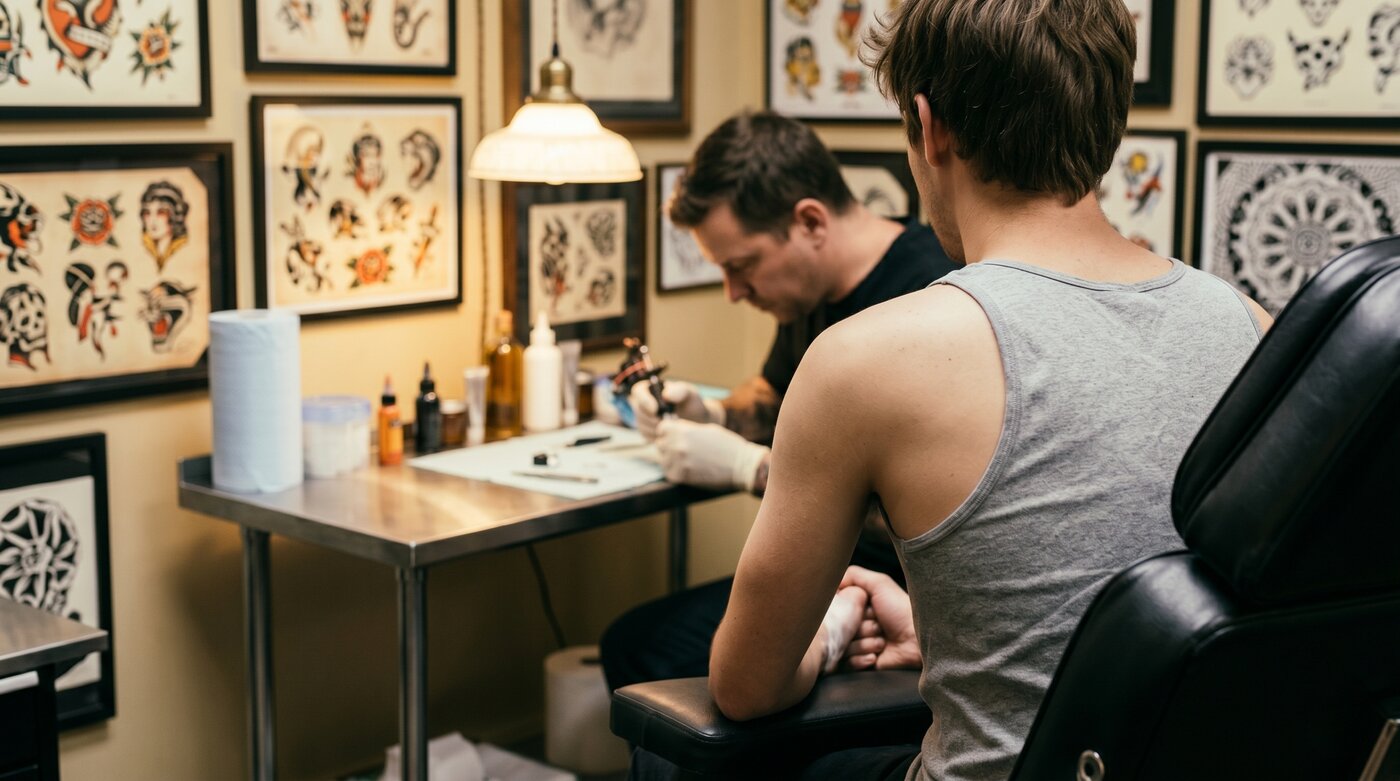
Your first tattoo is the one you’ll be asked about for the rest of your life. It’s worth 10 minutes of prep.
The 60-second answer
If you only remember five things: pick the artist before the design, eat a real meal 1–2 hours before, sleep the night before, tip 20% in cash, and follow your artist’s aftercare instructions to the letter for the first two weeks. Everything else on this page is refinement. A first tattoo done well costs $150–$500 in most U.S. shops (small to medium piece, single session), takes 1–4 hours in the chair, and is fully healed on the surface in 2–4 weeks.
What a first tattoo actually costs
Most first-timers under-budget. A realistic breakdown for a palm-sized, one-session piece from a competent artist:
| Cost | Amount | Notes |
|---|---|---|
| Shop minimum | $80–$150 | Charged even for tiny work |
| Small piece (2–4 hrs) | $150–$500 | Most first tattoos land here |
| Tip (20–25%) | $30–$125 | Cash, day-of |
| Aftercare supplies | $25–$60 | Balm + soap + SPF |
| Realistic total | $205–$685 | Single session, small–medium piece |
Larger or multi-session work scales up quickly. See how much does a tattoo cost for hourly rates by region and artist tier. The one line that never changes: budget for the artist, not the discount. A $200 tattoo you regret costs $3,000–$6,000 to laser off.
Before you book
- Pick the artist first, the design second. Browse portfolios for 2+ weeks before you commit. Save their work on Instagram, note the style. Still deciding? Our guide to what tattoo style to get and the full style directory help you narrow it. A mediocre artist will execute a great design poorly; a great artist will elevate a mediocre design.
- Book the consultation. Most good artists want to meet you, sketch, and place the stencil before they tattoo; bring a sense of where it’ll go.
- Budget for the right artist, not the cheapest quote. A bad tattoo costs the same as a good one to do well; laser removal is $3–6k per piece.
- Eat a real meal 1–2 hours before. Blood sugar crashes during long sessions. Don’t show up hungover.
- Sleep. A tired body processes pain worse.
The week before
- Sleep. Two nights of proper sleep before your appointment does more for pain tolerance than any numbing cream.
- Hydrate. Skin holds ink better when it isn’t dehydrated. Two liters of water a day for the three days before.
- Skip alcohol for 24 hours and skip aspirin, ibuprofen, or fish oil for 48 hours: all thin the blood and cause excess bleeding, which pushes ink out mid-session.
- Do not tan or burn the area. Sunburned skin cannot be tattooed. A shop will send you home.
- Shave the area the morning of, if the artist hasn’t said they’ll do it: a fresh razor, no aftershave.
Day of
- Wear loose clothing that exposes the area.
- Bring a snack and water. Most shops have both but you’ll be more comfortable with your own.
- Don’t bring an entourage. One friend max, and only if your artist is cool with it.
- Don’t drink beforehand. Alcohol thins your blood. Your artist may refuse to tattoo you.
- Put your phone on silent. Your artist’s focus is worth more than your Instagram story.
- Arrive 10 minutes early. Not 30: most shops don’t have the waiting-room space and you’ll cramp the artist ahead of you.
What to expect the first 15 minutes in the chair
The first line is the worst one. Not because it hurts more than the rest, but because your body hasn’t calibrated. Adrenaline spikes, your breathing shortens, and every input feels amplified. Around minute 10–15, endorphins kick in and the sensation flattens out. Almost everyone who says “I couldn’t do it” quit inside that first window.
Tactically: breathe in for four counts, out for six. Don’t watch the needle. Talk if it helps you or shut up if it helps the artist: read the room. If you feel cold, clammy, or tunnel-visioned, tell the artist before you pass out. Sugar and a five-minute break fix it every time. Passing out silently on the chair is the fastest way to get a wobbly line.
Tipping
Cash. 20% minimum. Good tattoos earn 25–30%. This is not optional; it’s how tattoo artists actually make money given shop cuts.
During the session
- The first 10 minutes hurt the most because you’re not adjusted. Breathe. (Some spots hurt far more than others, and numbing cream can take the edge off.)
- If you need a break, ask. Any good artist will give you five minutes.
- If you’re getting lightheaded, say so before you pass out.
Right after
Your artist will bandage the tattoo. Follow their specific instructions, which override anything on the internet (including this guide). Most will:
- Apply a second-skin bandage (leave on 3–5 days) or
- Apply plastic wrap (remove in 2–4 hours, then wash)
From there, follow our aftercare guide.
Red flags at the shop
Walk out if:
- The shop won’t show you their autoclave or sterilization setup
- The artist opens needles from a non-sealed package in front of you
- The shop is visibly dirty (blood on surfaces, cluttered workstations)
- You’re asked to sign a release that waives the shop’s liability for bloodborne pathogens (a standard release will cover you getting tattooed, not their hygiene)
Any one of these and you leave: a tattoo is a medical procedure.
After-session supplies
- A second-skin bandage (Saniderm) if your artist uses them
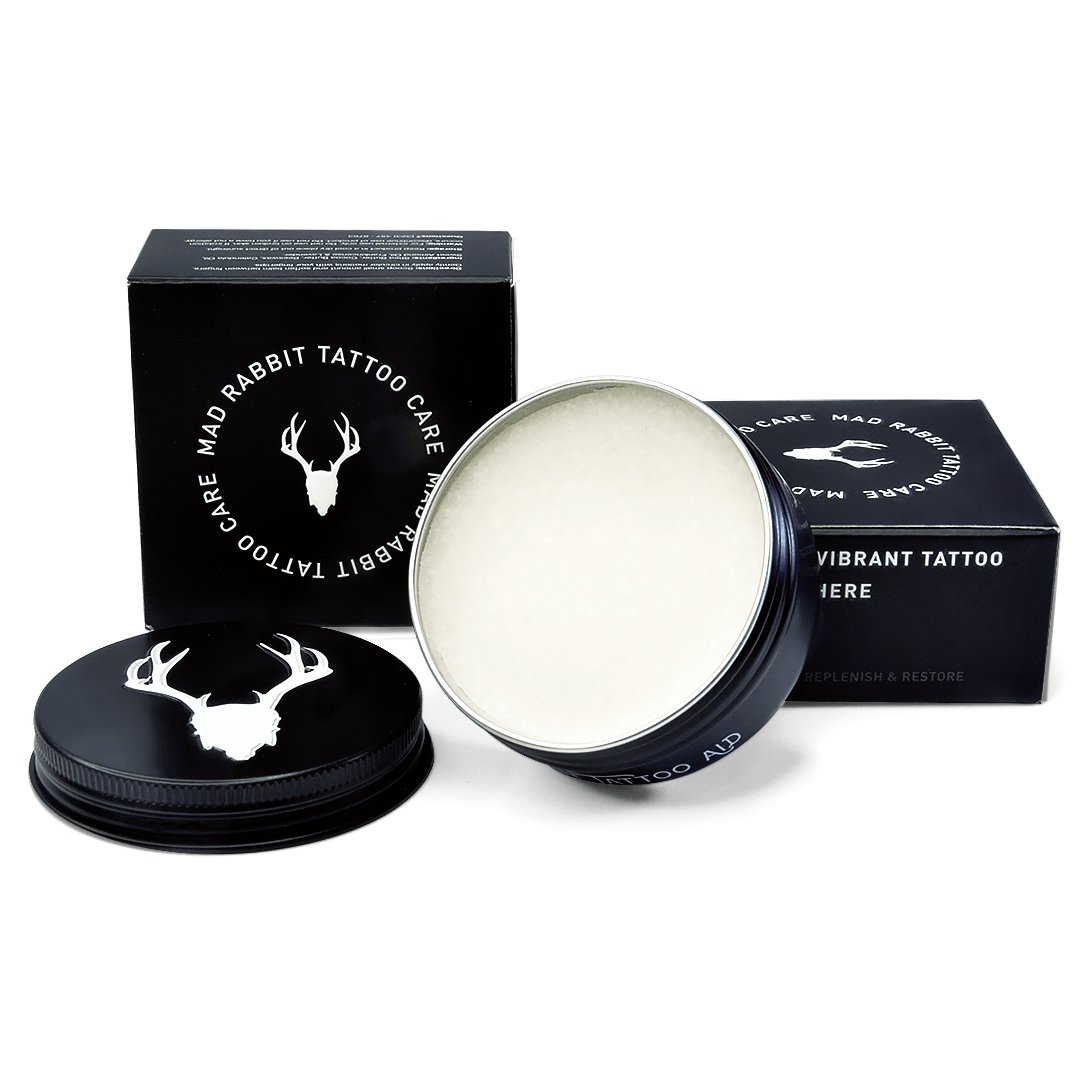
- A quality balm (Mad Rabbit or Hustle Butter)
- Fragrance-free soap (Dr. Bronner’s)
- Mineral sunscreen for weeks 4+ (Blue Lizard)
That’s it. Don’t overcomplicate it. The best thing you can do for a healing tattoo is leave it alone.
First-timer FAQ we hear most
How long will the appointment actually take? Add 30–45 minutes to whatever the artist quoted. Stencil placement, final approval, setup, and cleanup all eat time outside “needle down.” A “one-hour tattoo” is usually a two-hour appointment.
Will it hurt more than I think? Probably less. First-timers overestimate pain in high-fear placements (ribs, sternum, ankle) and underestimate it in low-fear placements (elbow ditch, back of knee); see the pain chart for the calibrated version. On a 1–10 scale, most forearm or outer-thigh work sits at a 3–5.
Do I need numbing cream? For a first tattoo under two hours, no. The pain is manageable and cream can affect ink uptake if applied wrong. If you’re getting a rib or sternum piece, or a session longer than three hours, read our numbing cream guide and clear it with the artist first. Some artists refuse to work over numbing cream.
What if I hate it after it’s done? Wait six weeks. First tattoos almost always look “too dark” or “too big” for the first week, then normalize as the surrounding skin de-inflames and your brain adjusts. If you still hate it at week 8, cover-ups and laser are both options; start with our cover-up guide.
Is it OK to get my first tattoo somewhere hidden? Yes, and it’s a common first choice. Just know that “hidden” also usually means “high friction” (waistband, bra line, inner bicep) and needs a bit more diligence during healing.
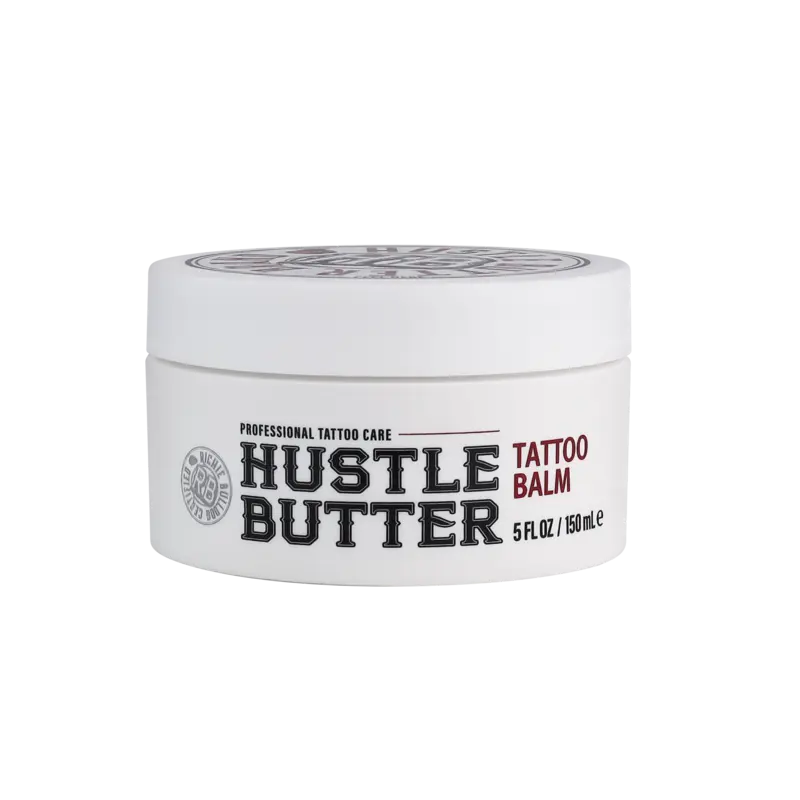
Hustle Butter Deluxe