Tattoo Removal in 2026: What Actually Works
Compare laser tattoo removal, lightening for a cover-up, and unsafe alternatives, including expected sessions, costs, color differences, and aftercare.
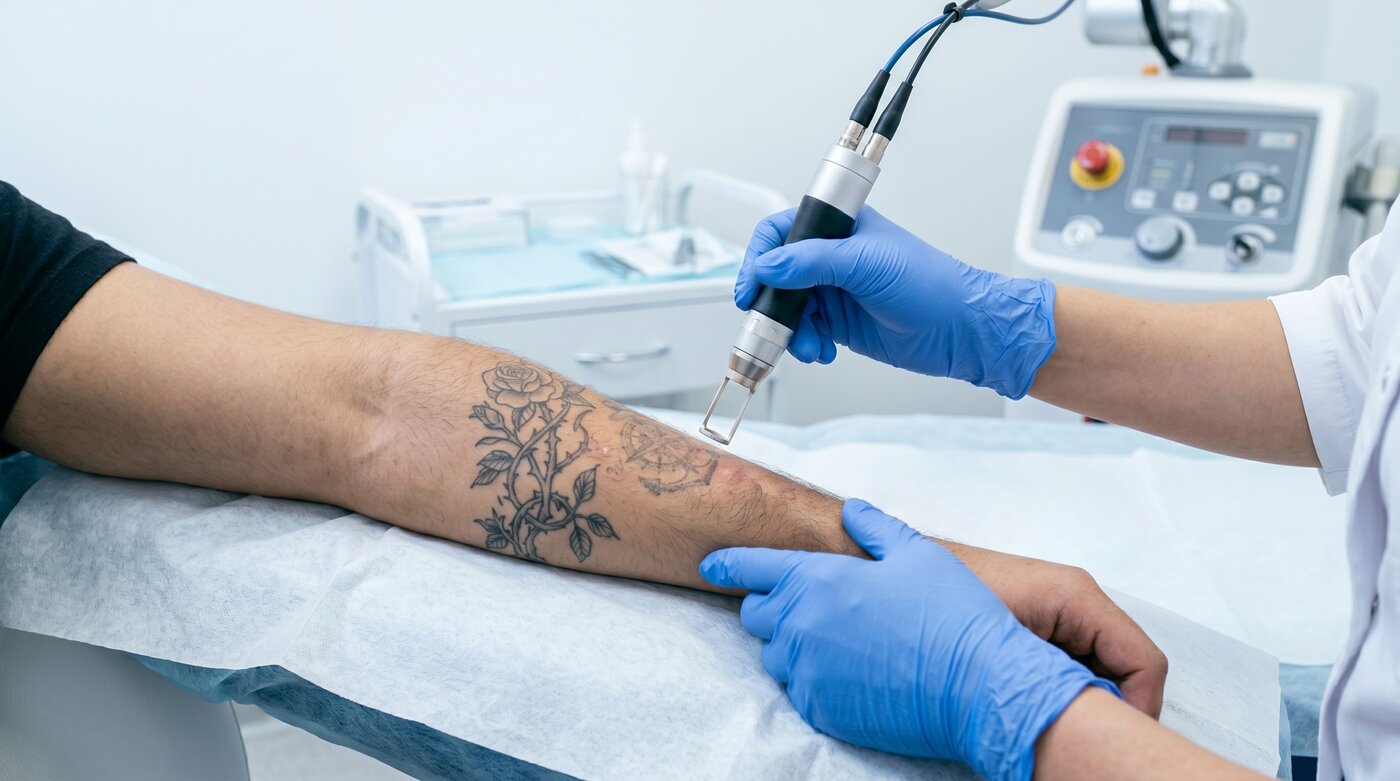
If you want a tattoo removed or lightened, start with realistic expectations: removal often requires multiple treatments and can leave residual pigment or scarring. The FDA’s tattoo-removal overview says some laser devices are cleared for removal, lighter colors can be harder to treat, and creams or do-it-yourself removal kits are not FDA-approved.
Is laser tattoo removal permanent?
Yes, with caveats. Q-switched and Pico lasers are the only methods with clinical evidence for permanent ink removal. Most people reach 80–95% clearance after a full course of sessions; “complete” removal (no trace under normal lighting) is achievable on black ink and simpler pieces, but harder to guarantee on dense, multi-color, or deeply layered tattoos. The ink doesn’t come back: once pigment particles are shattered and cleared by your immune system, they stay gone. What can remain is a faint ghost, particularly with older or saturated blues and greens. The more realistic frame: plan for “significantly faded to nearly invisible” rather than “as if it never existed,” and get an honest assessment from a removal specialist in person before committing to a session count.
Comparing your options at a glance
| Method | Works? | Time | Cost range | Best for |
|---|---|---|---|---|
| Q-switched laser | Yes | 12–24 months | $1,500–$6,000 total | Any black/red ink; widely available |
| Pico laser | Yes | Slightly fewer sessions | Same or higher per-session | Stubborn colors; if the clinic has it |
| R20 (multi-pass) | Yes | Fewer visits | Higher per-visit | Impatient clients with budget |
| Cover-up tattoo | Depends | 1 appointment | 1.5–2× fresh tattoo cost | Dark, small originals that can be concealed |
| Lightening + cover-up | Yes (hybrid) | 2–4 laser sessions first | Middle path | Dense pieces too dark to cover cold |
| Fade creams / dermabrasion | No | N/A | Any amount is too much | Nothing; causes scarring, no ink removal |
The only thing that actually removes a tattoo
Clinician-operated laser treatment is the standard method for meaningfully reducing tattoo pigment. The FDA does not approve tattoo-removal ointments, creams, or do-it-yourself kits and warns that these products may cause rashes, burns, or scars.
What to expect from laser
- 6–12 sessions spaced 6–8 weeks apart
- $150–$500 per session depending on size
- Total cost: typically $1,500–$6,000 for a palm-sized piece
- Duration: 12–24 months from start to complete removal
- Pain: most clients describe it as worse than getting tattooed, but faster (sessions are usually under 10 minutes for small pieces)
Color matters
- Black ink: removes best, responds to most lasers
- Red ink: removes well
- Blue / green / yellow: slowest, requires specific wavelengths (some clinics don’t have them, so ask)
- White ink: may darken when lasered (permanently). Proceed with caution.
Pico vs. Q-switched: which laser matters more than the clinic name
Both are “the real thing”: the difference is pulse speed, not whether it works:
| Q-switched | Pico | |
|---|---|---|
| Pulse speed | Nanoseconds | Picoseconds (faster) |
| Best for | Dark ink, established technology | Stubborn colors, faster clearing on some pigments |
| Sessions needed | Baseline (6–12) | Often slightly fewer for the same piece |
| Availability | Widely available | Newer, pricier equipment; not every clinic has it |
Neither is a scam pick over the other. Ask which system the clinic uses and how many removal sessions (not just laser tattoo touch-ups) they’ve done on it; experience with your specific ink colors and skin tone matters more than the brand name on the machine.
Numbing for a removal session
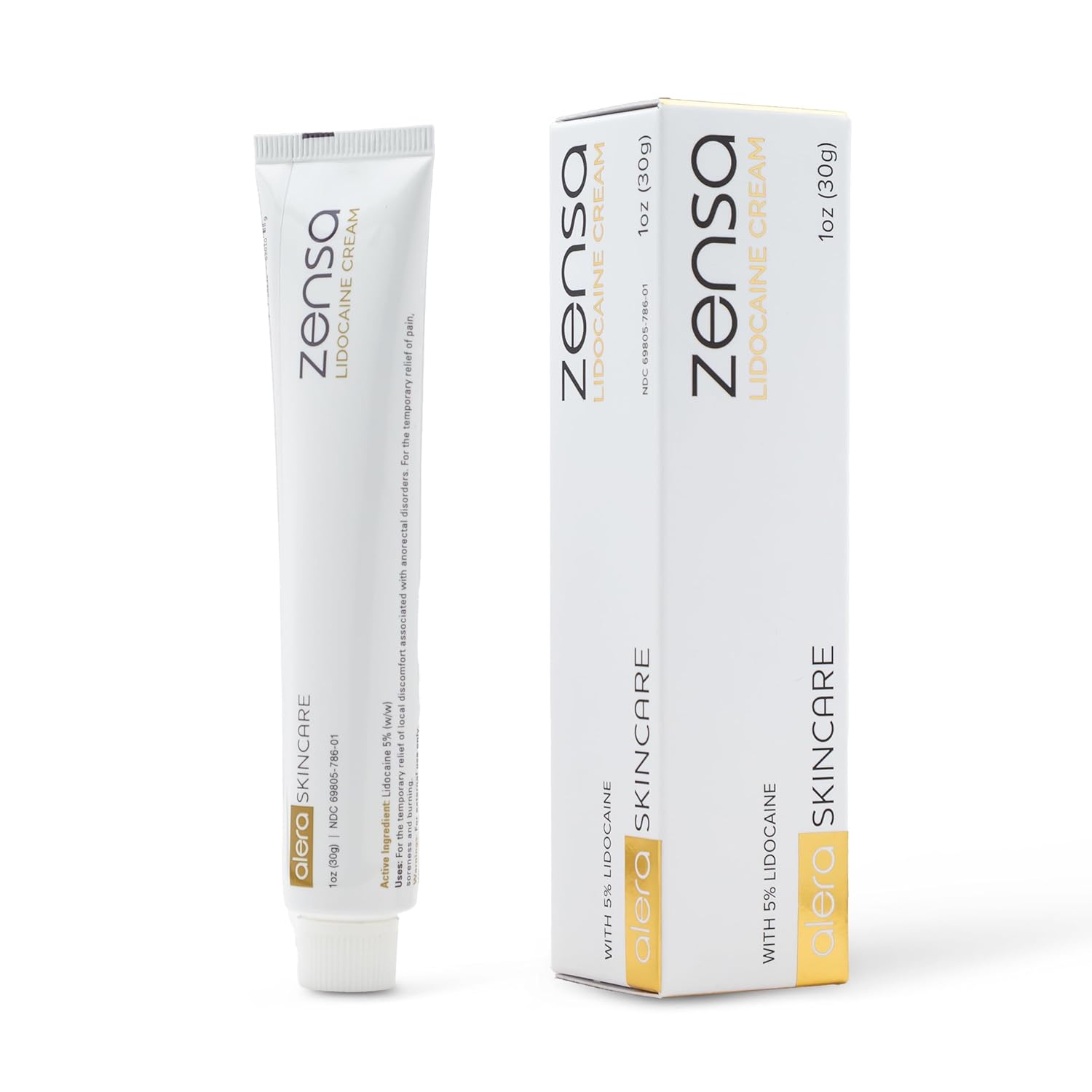
Ask the treating clinic how it manages discomfort and follow its protocol. Do not apply an outside numbing product before arrival without approval. The FDA warns against OTC topical pain products above 4% lidocaine and against heavy application, large areas, broken or irritated skin, and covering treated skin with dressings.
Our tattoo numbing cream safety review explains why we no longer recommend the 5% products previously featured here for self-directed use.
Aftercare during a removal course
Each session reopens the skin similarly to getting a tattoo, and the same rules apply between sessions: keep it clean, avoid sun exposure on the treated area, and use a plain moisturizer like CeraVe once any blistering has closed. Skipping aftercare between sessions doesn’t just slow healing; it can compromise how evenly the next laser pass responds to the skin. Full day-to-day expectations: tattoo healing stages.
The R20 method
A modern technique where 2–4 passes are done in one visit with 20-minute waits between. Can reduce total session count but costs more per visit and causes more tissue stress.
The cover-up alternative
Often cheaper, faster, and more satisfying than full removal, if the original tattoo is suitable. Our full cover-up guide walks through what hides well and what doesn’t; the short version is below.
Good candidates for cover-up:
- Black-ink tattoos
- Smaller, lower-density pieces
- Designs that can be hidden inside a larger composition
Poor candidates for cover-up:
- Heavily saturated color pieces
- Very large or very dark designs
- Script or fine-line work (lines are hard to hide)
Budget: a cover-up is typically 1.5–2x the cost of a fresh tattoo of the same size, because the artist has to design around and over the original. If you’re not sure what fresh ink runs in your area, the tattoo cost guide has current regional ranges. Use those as your baseline before doubling for a cover-up estimate.
Lightening for cover-up
A hybrid approach: 2–4 laser sessions to fade the original, then a cover-up over the ghosted remains. Often the best value for medium-to-dense originals.
What to skip
- Salabrasion or other do-it-yourself abrasion methods: substantial injury and scarring risk
- Tattoo-removal cream: doesn’t work
- Any “natural” removal claiming essential oils, lemon juice, or sand: doesn’t work and can cause chemical burns
- “Do-it-yourself” tattoo removal: genuinely dangerous
Preparing for a session
- Stay out of the sun for at least 2 weeks before and after each session: tanned or sunburned skin absorbs the laser differently and increases the risk of scarring or hypopigmentation.
- Skip blood thinners (aspirin, fish oil, alcohol) for 24–48 hours before, if your doctor says it’s safe to pause them, for less bruising and better healing.
- Eat beforehand. Sessions on an empty stomach make the discomfort noticeably worse for most people.
- Ask about pain control before the appointment: use only the product, dose, timing, and application method approved by the treating clinic.
- Ask about aftercare instructions before you leave: most clinics send you home with a specific wound-care protocol, and it can differ slightly from standard tattoo aftercare (more emphasis on avoiding friction, less on moisturizing immediately).
Picking a clinic
- Look for dermatologist-owned clinics or laser-certified RN practitioners
- Ask what laser system they use (PicoWay, PicoSure, and RevLite are current standards)
- See their before/after portfolio, specifically on skin like yours
- Do a patch test (a single pulse on an inconspicuous corner of the tattoo) before committing
How many sessions will your tattoo actually need
The 6–12 range is wide because ink density, layering, and color mix all shift the count. A single-pass, all-black outline tattoo clears near the fast end. A heavily saturated, multi-layered piece with color (the kind of tattoo an artist went over more than once during the original session) sits at the slow end, sometimes past 12 sessions. Older tattoos (5+ years) often clear faster than fresh ones, since the immune system has already broken down some pigment naturally over time. A consult with an in-person assessment beats any online estimate, so bring your tattoo’s history (age, whether it was ever touched up or covered) if you know it.
Skin tone and laser settings
Darker skin tones need more conservative laser settings, because the laser targets pigment and both the tattoo ink and the skin’s own melanin can respond to certain wavelengths. This isn’t a reason to avoid removal; it’s a reason to pick a clinic carefully. Ask specifically about their experience treating your skin tone, not just their general removal experience, and confirm they adjust laser type and power accordingly rather than running one setting for everyone.
Removal vs. cover-up vs. living with it
Removal makes sense when you want the skin clear, no design constraints, or the original tattoo is too dense/dark to cover well. Cover-up makes sense when you’d rather have new art than bare skin and the original is a reasonable cover-up candidate. Both together (lightening sessions followed by a cover-up) is often the best value for anything in between. There’s no wrong answer here beyond rushing into laser sessions before you’ve actually decided which outcome you want; a consult is worth booking with both a removal clinic and a cover-up artist before committing to either path.
Numbing Cream 5% Lidocaine
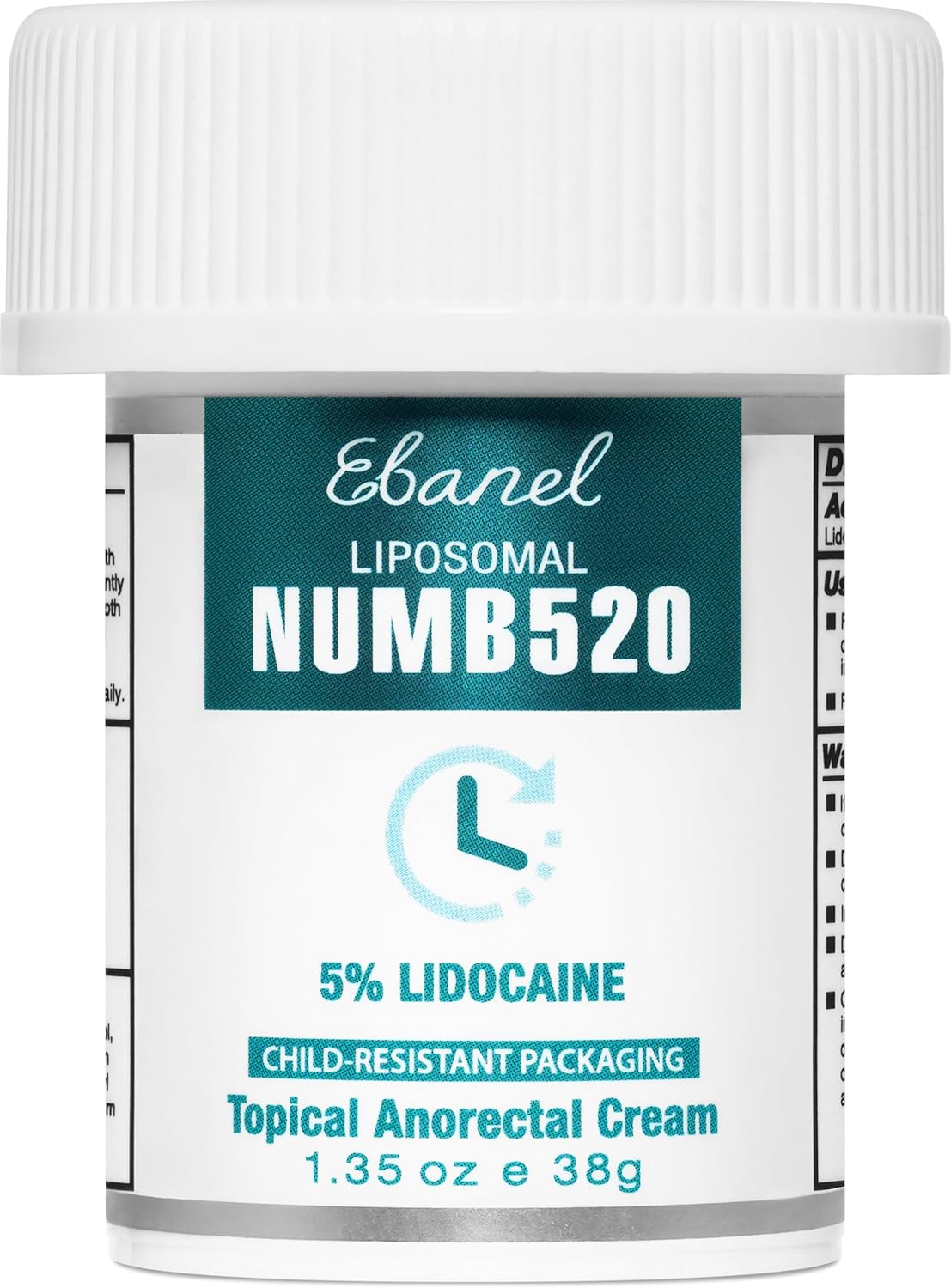
5% Lidocaine Numbing Cream